ZIP 77410 · Cypress, TX · Harris County
Water Damage Restoration in 77410Mold Prevention After Water Damage & Flood Cleanup
Water Damage Restoration in Cypress covers sewage cleanup, storm damage repair and structural drying.
Answered 24/7
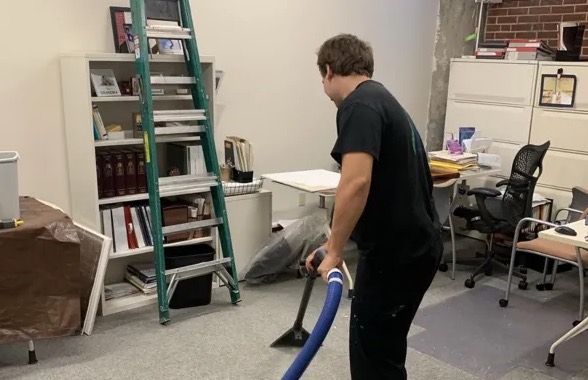
Water Damage Restoration Response in Harris County
In Cypress, water damage disrupts daily life and can badly damage a property if it is not handled quickly. Local water damage pros remove the water and repair the damage.
Around the Cypress area, including Towne Lake, Bridgeland and Jersey Village, restoration pros remove water from affected homes and businesses and dry the structure to keep mold from starting.
Core Water Damage Restoration Methods Used in 77410
Mold Prevention After Water Damage
Surfaces that stayed wet are cleaned and treated with an antimicrobial after drying in Cypress homes.
Flood Cleanup
When water comes in from outside, soaked materials are removed and the area is cleaned and dried in Cypress.
Water Removal
Removing water immediately after a leak prevents secondary damage. Industrial equipment eliminates water from affected rooms in properties in Cypress.
Structural Drying
Structural drying removes moisture from materials like drywall and wood. It uses air movers and dehumidifiers to achieve specific dryness goals, preventing warping and mold.
Water Damage Repair
Water damage repair fixes or replaces materials permanently affected by moisture. It transforms a dried, damaged space back into a finished room.
Signs Your 77410 Property Needs Water Damage Help
Sagging or Bubbling Drywall
Drywall that swells, sags or bubbles has absorbed a lot of water and needs drying or removal.
Wet Spots on Carpets
Carpet or pad that stays damp means water has soaked deep into the floor, where it can rot the subfloor.
Cracked or Warping Floorboards
Hardwood floors that warp, cup, or crack are reacting to moisture. The pros can assess and begin drying.
Water Stains on Ceilings
Yellow or brown ceiling stains indicate an ongoing water leak from above. The pros should inspect to identify the hidden source.
How Water Damage Restoration Works in 77410
Step 1: Source Stop and Water Extraction
First, the water source is contained or repaired. Then, experts perform thorough water extraction from all affected surfaces and materials.
Step 2: Air Circulation and Drying
Air movers push air across wet surfaces to speed up evaporation from floors and walls.
Step 3: Antimicrobial Application
After drying, surfaces that stayed wet are treated with an antimicrobial to help keep mold from starting.
Step 4: Repair and Documentation
Any necessary water damage repair is performed to restore the property. Detailed documentation, including photos, is compiled for your insurance provider.
Why Properties in 77410 Experience Water Damage
Fire Suppression System Activation
Fire sprinklers that discharge during a fire or by accident put a lot of water into a building.
Appliance Malfunctions and Leaks
Water heaters, washing machines, dishwashers and refrigerators can leak or overflow suddenly and flood the floor.
Roof Leaks From Storm Damage
Wind-driven rain, hail or fallen debris can break through roofing and let water into the home.
Sewer Line Backups or Overflows
Blocked main sewer lines or septic failures can push sewage up into the home through drains.
Water Damage Restoration for Homes and Businesses in 77410
Residential Water Damage Restoration
Attic water damage from roof leaks can ruin insulation and decking, affecting energy bills. The pros perform attic drying and may remove wet insulation.
Commercial Water Damage Restoration
Warehouses and plants need heavy-duty water removal over large areas after drainage failures or sprinkler discharges, to protect machinery and storage.
When Water Damage Restoration Requires a Pro in 77410
If a sewage backup occurs, avoid contact and do not flush other toilets. Photograph the damage from a safe distance for insurance. Do not attempt cleaning due to health risks. Sewage cleanup requires safety gear and disinfectants only the pros use.
Understanding Water Damage Restoration Costs in 77410
Cost for water damage cleanup in Cypress depends heavily on the water's source. Clean water from a supply line is less complex than contaminated sewage, which demands specialized safety and disposal procedures, increasing overall expense.
Secondary Damage Remediation
Extra work like mold removal or storm repairs adds its own scope and cost.
Affected Materials
Restoration costs vary if water damages drywall, hardwood floors, or custom cabinetry, as each material has different repair or replacement requirements.
Drying Time Required
How long air movers and dehumidifiers must run affects equipment cost and job length.
Does Insurance Cover Water Damage Restoration?
For storm damage, check whether wind-driven rain or hail is covered. The pros record the damage with photos and notes, giving you a file to submit to your insurer.
Why Choose Local Pros for Water Damage Restoration in 77410
Contamination Safety Protocols
For sewage or dirty flood water, the pros wear protective gear and treat surfaces to reduce health risks.
Comprehensive Water Extraction
Industrial pumps and extractors remove standing water in homes and commercial buildings.
Detailed Damage Documentation
Pros systematically photograph the damage and record moisture readings, creating a clear visual and data record that can be useful for insurance purposes.
Always-Available Water Damage Restoration for 77410
Extensive water damage demands early professional help. Waiting can lead to costly secondary damage like mold growth. Secure emergency water removal and drying services by contacting the pros at (281) 688-9975.
Call Now (281) 688-9975Local Water Damage Restoration Areas Near 77410
Water damage restoration is available in Cypress and nearby areas like Towne Lake, Bridgeland and Jersey Village, from indoor leaks to storm flooding.
Water Damage Restoration FAQs
How do professionals handle a sewage backup cleanup?
Sewage cleanup requires strict safety protocols due to contaminants. The process involves removing the hazardous waste, thorough cleaning and disinfecting affected areas, and often removing porous materials that cannot be adequately sanitized.
What should be done immediately after discovering water damage?
If safe, stop the water source if possible. Move valuable items away from water. Then, contact the pros for emergency water extraction.
What happens during the flood cleanup process?
Flood cleanup starts with pumping out standing water. Then, mud and debris are removed. The area is cleaned and disinfected.
What is Category 3 water during sewage cleanup?
Category 3 water is grossly contaminated, containing pathogens, as from sewage backups, flooding from rivers, or standing water that has become stagnant.
How quickly should water extraction begin after a flood?
As soon as it is safe. Standing water speeds up damage, and mold can start within 24 to 48 hours.