Missouri City, TX · Fort Bend County
Structural Drying & Dehumidification in Missouri City, TXBuilding Material Drying & Concrete Slab Drying
Structural Drying & Dehumidification in Missouri City covers crawl space dehumidification, building material drying and emergency flood drying.
Answered 24/7
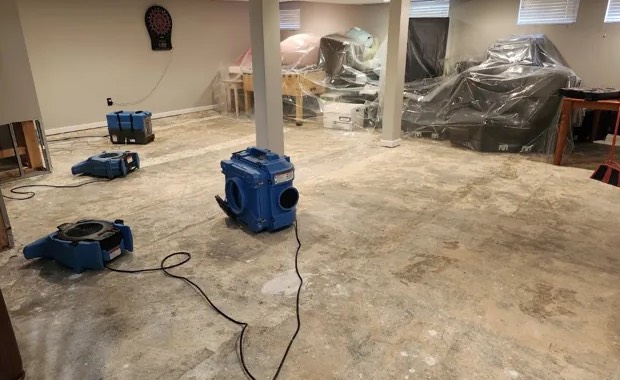
Missouri City Structural Drying & Dehumidification Professionals
In Missouri City, waiting to dry after water damage lets moisture spread into nearby dry areas. That can turn a small repair into replacing hardwood floors or ceilings.
Water-damaged properties in Missouri City and nearby areas like Stafford, First Colony and Riverstone often have hidden moisture in wall cavities, subfloors or slabs. Local water damage pros dry these areas and can explain each step before work begins.
The Structural Drying & Dehumidification Process in Missouri City
Building Material Drying
Pros dry studs and sheathing in place with controlled drying, which reduces how much must be torn out.
Concrete Slab Drying
A wet slab must be dried before new flooring goes down, so pros extract deep moisture first.
Wet Wall Cavity Drying
Fast drying keeps framing from rotting and saves drywall that would otherwise be torn out.
Subfloor Moisture Extraction
Water trapped under flooring soaks the subfloor, and pros use systems that pull it up through the material.
Crawl Space Dehumidification
Excess crawl space moisture causes wood decay and draws pests, so pros set up systems to keep it dry.
Signs of Needing Structural Drying & Dehumidification in Your Home
Soggy or Spongy Subfloors
Floors that feel spongy underfoot have a soaked subfloor that needs drying.
Condensation on Windows
Constant condensation on windows points to high indoor humidity, often from a damp crawl space.
Peeling Paint or Wallpaper
Peeling paint or wallpaper is a common sign that moisture got behind the surface.
Damp or Staining Walls
Stains or damp drywall mean the wall cavity behind it is still wet.
How Structural Drying & Dehumidification Works in Missouri City
Step 1: Initial Water Extraction
Standing water is extracted from floors and surfaces so it stops soaking into materials.
Step 2: Dehumidification and Air Movement
Pros balance dehumidifiers and air movers to drive moisture out of cavities and materials.
Step 3: Detailed Cavity Drying
Hidden areas like ceiling cavities and subfloors get targeted drying tools and airflow.
Step 4: Completion and Documentation
Final dryness levels are recorded and provided for your records and insurance claim.
Reasons for Dehumidification in Missouri City Homes
Poor Ventilation and Humidity
Poor airflow in bathrooms or crawl spaces keeps materials damp month after month.
Firefighting Water Damage
Water used to put out a fire soaks deeply into framing, drywall and insulation.
Roof Leaks During Storms
Wind-driven rain or damaged shingles let water into the attic and ceiling cavities.
Sewage Backup or Overflow
A sewer backup brings contaminated water that must be removed before drying begins.
Missouri City Structural Drying & Dehumidification for All Property Types
Residential Structural Drying & Dehumidification
In houses, drying ceiling and wall cavities prevents costly drywall and framing repairs and leaves the home safe and stable.
Commercial Structural Drying & Dehumidification
In commercial buildings, drying targets office partitions, raised floors and wall systems while keeping indoor air healthy for staff.
Professional Structural Drying & Dehumidification or DIY in Missouri City
Open windows if the weather allows, wipe visible water and run fans for small spills. If moisture has reached wall cavities or under flooring, professional drying prevents hidden damage.
Factors Affecting Structural Drying & Dehumidification Price in Missouri City
The cost in Missouri City depends on the water source and how much water there was, plus the area and materials affected.
Water Category and Source
Clean water from a supply line is simpler to handle than contaminated floodwater.
Extent of Saturation
A soaked subfloor takes longer to dry and needs more powerful dehumidifiers.
Required Drying Duration
Each day of equipment use and monitoring visits adds to the final invoice.
Does Insurance Cover Structural Drying & Dehumidification?
Coverage depends on your policy and the details of the incident, and sudden water is more likely to be covered than slow seepage. Ask your adjuster; pros record moisture data.
Why Choose Local Water Damage Pros for Structural Drying & Dehumidification in Missouri City
IICRC-Standard Drying Methods
Drying follows accepted industry methods so materials reach measured dry targets before work ends.
Advanced Moisture Detection
Meters and sensors map moisture in walls and subfloors so drying targets the wet areas.
Precision Hardwood Floor Drying
Hardwood floors are dried gently to limit cupping and avoid replacing the boards.
Urgent Structural Drying & Dehumidification Available in Missouri City
Stop water damage before it spreads. Call the pros at (281) 688-9975 for 24/7 drying in Missouri City, since a start lowers repair costs.
Call Now (281) 688-9975Structural Drying & Dehumidification Coverage in Missouri City, Stafford, First Colony and Riverstone
In Missouri City and neighboring towns such as Stafford, First Colony and Riverstone, the pros dry properties after leaks or floods.
Frequently Asked Structural Drying & Dehumidification Questions
What equipment is used for subfloor moisture extraction?
Air movers, dehumidifiers and often injection systems that push dry air directly into the subfloor cavity.
What is the goal of building material drying?
Bringing wet materials back to normal moisture levels so they keep their strength and do not need replacing.
How does concrete slab drying work?
Dehumidifiers lower the air humidity, which pulls moisture up through the concrete, sometimes with drying mats too.
How long does emergency flood drying typically take?
It depends on water volume, materials and humidity, but most home jobs take several days of continuous drying.
How does emergency drying differ from standard drying?
The methods are the same, but emergency drying starts, even after hours, to limit loss.