ZIP 77401 · Bellaire, TX · Harris County
Storm Damage Restoration in 77401Hail Damage Leak Cleanup & Debris Removal After Storm
Storm Damage Restoration in Bellaire handles hail damage leak cleanup, wall cavity drying after storms and storm damage water extraction.
Answered 24/7
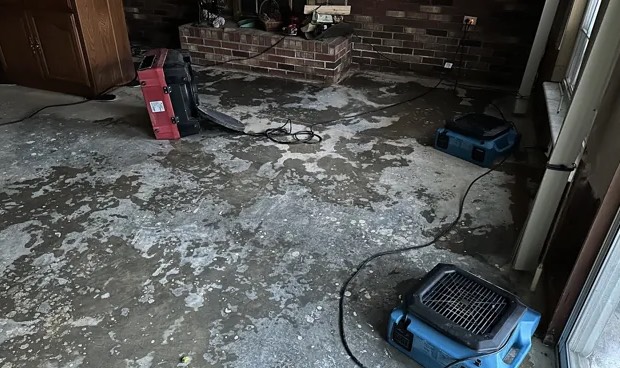
Storm Damage Cleanup and Drying in 77401
A tree limb through the roof, a window blown in or water under the doors can all leave a home wet in several rooms at once.
Storm damage restoration is available in Bellaire and nearby West University Place, Missouri City and Stafford. The pros handle board-up, tarping, water extraction and drying after storms of any size.
Storm Damage Restoration Work in 77401
Hail Damage Leak Cleanup
Hail can crack shingles, skylights and vent caps, and the next rain finds those cracks. The pros dry the attic and ceilings where the water got in.
Debris Removal After Storm
Wet debris left in a room keeps the space damp. Clearing it is the first step before the pros extract water and set up drying.
Wind-Driven Rain Drying
When high winds drive rain into a home, water often runs down inside exterior walls. Meters find it, and drywall is opened where needed to dry it.
Storm Damage Water Extraction
Rainwater that came in through a roof, window or door is removed from floors, carpet and the space under cabinets before it soaks into walls.
Wall Cavity Drying After Storms
Storm water inside exterior walls often shows up as bubbling paint or a damp baseboard. Drying the cavity keeps the framing from rotting.
When Storm Damage Needs Professional Cleanup
Wet Carpet Near Windows and Doors
Damp carpet or swollen flooring along exterior walls shows that rain was driven in around frames or under doors.
Dented Vents and Skylights
Hail dents on roof vents, skylight frames or flashing can leave gaps where water gets in during the next storm.
Mud or Debris Indoors
Mud, leaves or glass inside the house mean storm water came in from outside and floors need cleaning as well as drying.
Missing or Lifted Shingles
Shingles on the lawn or lifted at the edges after a storm mean the roof deck is exposed to the next rain.
How Storm Damage Restoration Works in 77401
Step 1: Emergency Roof Tarping
Openings in the roof from wind or hail are tarped so the attic and ceilings stop taking on water.
Step 2: Hail Damage Leak Cleanup
Water in the attic is removed, wet insulation is pulled and ceilings below are checked for trapped water.
Step 3: Clean Surfaces
Floors and lower walls touched by outside water are cleaned and treated before drying to limit odor and contamination.
Step 4: Structural Drying
Dehumidifiers and air movers dry the attic, walls and floors, with readings taken each day until the targets are met.
Common Causes of Storm Damage in 77401
Flying Debris
Outdoor furniture, signs and branches carried by wind can break glass and doors and let rain into the home.
Power Outages
Storms that knock out power stop pumps and dehumidifiers, so water that gets in stays longer than it otherwise would.
Wind-Driven Rain
Strong winds push rain sideways into window frames, vents and siding joints that keep out normal rain.
Hail Impact
Hail cracks shingles, skylights and vent caps, opening small gaps that leak during the storms that follow.
Storm Cleanup for 77401 Homes and Commercial Buildings
Residential Storm Damage Restoration
For homeowners, the first job after a storm is stopping more water from getting in. Board-up and tarping come first, then extraction and drying.
Commercial Storm Damage Restoration
Property managers get moisture readings and photos for each affected unit or suite, which helps when several tenants and insurers are involved.
Storm Cleanup: DIY or Professional?
Do not climb onto a wet or damaged roof. Tarping should be done by someone with the right gear and anchors once the storm has passed.
What Drives Storm Damage Restoration Cost?
Repairs to the roof, windows and siding are separate from water removal. The pros price the board-up, extraction and drying inside the house.
Water Source
Rain coming through a roof is cleaner than floodwater from outside. Dirty water means more cleaning and removal of porous materials.
Rooms Affected
Each wet room needs extraction, drying equipment and moisture checks, so the number of rooms sets much of the cost.
Timing of the Work
Work during or right after a storm, at night or on a weekend, can carry a higher rate than scheduled work.
Does Insurance Cover Storm Damage Restoration?
Policies often expect you to take reasonable steps to prevent more damage, such as tarping and boarding up. Keep receipts for that work.
What Local Pros Bring After a Storm in 77401, TX
Records for Your Claim
Photos, readings and a list of removed materials give your adjuster a clear picture of the storm damage inside the house.
Openings Covered First
Board-up and tarping keep more rain out, so drying is not undone by the next storm.
Hidden Water Found
Moisture meters and thermal cameras find water in walls, attics and under flooring that is not visible after a storm.
Around-the-Clock Storm Cleanup in 77401
If water is coming through the ceiling or under the doors after a storm, turn off power to wet areas if it is safe and call (281) 688-9975.
Call Now (281) 688-9975Areas Served for Storm Damage Restoration Near 77401
Local storm water damage pros cover Bellaire and surrounding communities including West University Place, Missouri City and Stafford for storm cleanup, board-up and drying.
Questions About Storm Damage Restoration
How soon should storm cleanup start?
As soon as it is safe. Wet drywall, carpet and insulation can start to grow mold in 24 to 48 hours, and open roofs and windows let in more rain.
Do I need to leave my home during storm cleanup?
Usually not, unless the damage makes the home unsafe or power is out. Wet areas are closed off while equipment runs.
What should I do first after a storm damages my home?
Stay away from downed power lines, take photos, move belongings away from water and call (281) 688-9975 for board-up, tarping and drying.
Can storm damage lead to mold?
It can if materials stay wet for a day or two. Prompt extraction, removal of soaked insulation and measured drying keep that from happening.
Is storm water dirty?
Rain coming through a roof is usually clean at first. Water that came in from outside across the ground is treated as dirty and needs cleaning as well as drying.