Dayton, TX · Liberty County
Standing Water Removal in Dayton, TXLaundry Room Flood Cleanup & Commercial Property Water Removal
In Dayton, Standing Water Removal addresses commercial property water removal, laundry room flood cleanup, and emergency water pump out.
Answered 24/7
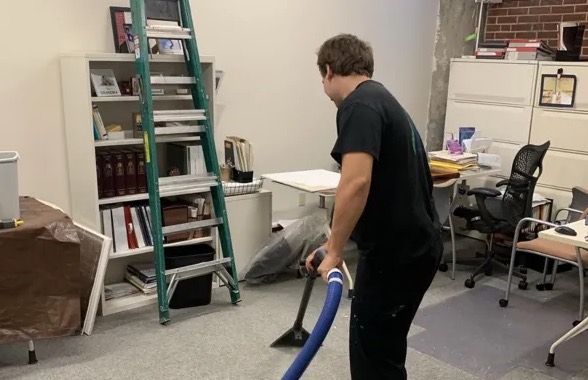
Reliable Standing Water Removal in Dayton, Liberty, Mont Belvieu and Barrett
For homes in Dayton, mold and warping follow quickly once water gets in. Water extraction experts pump out the water and run dehumidifiers to remove what is left.
In Dayton, removing standing water quickly prevents mold and ruined materials. Water heater leak and laundry room flood cleanup are available in Dayton and nearby Liberty, Mont Belvieu and Barrett.
Specialized Standing Water Removal for Dayton Homes
Laundry Room Flood Cleanup
Washer floods leave soapy water behind. Pros pump it out, rinse off the detergent residue and start drying.
Commercial Property Water Removal
A flooded commercial building needs large-volume extraction across wide floor areas, before water reaches electrical systems, stock and the structure.
Garage Flood Water Cleanup
Garage water often carries oil or chemicals. The process includes extraction and initial disinfection for safe access and possession protection.
Emergency Water Pump Out
The pros choose the strongest extraction method for the job so the water spends less time soaking in.
Water Heater Leak Cleanup
Water heater leak cleanup starts with pumping or extracting the standing water, then drying the slab, baseboards and nearby walls with air movers and dehumidifiers.
When to Call for Standing Water Removal in Dayton, TX
Persistent Musty Odors
A musty smell that lingers often means water is sitting somewhere hidden, such as under flooring or in a crawl space.
Gurgling Drain Sounds
Gurgling sounds from floor drains or sinks can signal a sewer backup or main line issue causing standing water.
Swollen Wood or Flooring
Swelling in wood floors, cabinetry, or door frames points to prolonged moisture exposure from standing water needing removal.
Mold or Mildew Growth
Mold or mildew patches mean water has been sitting somewhere for days.
How Standing Water Removal Works in Dayton
Step 1: First Call and Safety Check
Pros ensure the area is electrically safe. They identify hazards before any water extraction equipment is brought in.
Step 2: Primary Standing Water Extraction
Most of the standing water is pumped out with commercial equipment before drying starts.
Step 3: Secondary Drying and Evaporation
After pump out water, air movers circulate air to evaporate residual moisture from surfaces and cavities.
Step 4: Post-Extraction Cleaning and Wrap-Up
Debris is cleared, and a final check confirms the space is ready for repairs or use.
Typical Sources of Standing Water in Dayton
Appliance Hose Failures
Burst washing machine hoses and leaking dishwasher lines are common sources of standing water in laundry rooms and kitchens.
Plumbing System Leaks
Broken pipes, faulty fittings and cracked supply lines release water nonstop until the valve is shut.
HVAC System Condensation
Clogged condensate lines from air handlers or furnaces can overflow and leave water pooled on the floor around the unit.
Clogged or Failed Drains
Blocked floor drains and sewer backups leave wastewater pooling on the floor.
Tailored Standing Water Removal for Dayton Residences and Offices
Residential Standing Water Removal
At home, standing water comes from burst pipes, appliance leaks and storms. Pros pump it out, sanitize the area and dry the subfloor.
Commercial Standing Water Removal
In restaurants, strip malls and plants, water is extracted, wet areas are mapped and drying is planned around business needs and health rules.
The Risks of DIY Standing Water Removal in Dayton
After a minor spill, you can wipe up surface water and increase air circulation with fans. For any standing water over an inch deep, or water that has seeped under flooring, call for professional water mitigation to avoid subfloor rot and mold.
Factors Affecting Standing Water Removal Cost in Dayton, TX
In Texas, multiple affected floors or tight spaces like a crawl space raise the cost of cleanup and drying.
Property Type
Commercial jobs often need larger industrial drying equipment and more planning than homes.
Water Source & Category
Clean water from a supply line is simpler to address than contaminated water from a sewer or flood, which requires more intensive standing water cleanup.
Water Depth & Duration
Deep, long-standing water causes more saturation damage, extending the drying phase of the water removal service beyond the initial pump out.
Does Insurance Cover Standing Water Removal?
If the cause is a covered peril, like an appliance overflow, your policy may pay for water removal. Your insurer decides coverage.
Advantages of Professional Standing Water Removal in Dayton
Cause Identification Assistance
While fixing the source is a plumber's task, the water extraction experts can often help identify the point of entry to inform repairs.
IICRC-Standard Drying Methods
Pros follow proven drying protocols for structures and contents, which prevents secondary damage after the water is gone.
Containment & Air Filtration
Containing the work area and filtering the air controls cross-contamination and airborne particles during the standing water cleanup and drying process.
Emergency Standing Water Removal Response for Dayton
A burst pipe or water heater leak needs urgent attention. Call (281) 688-9975 24/7 for an emergency pump out in Dayton.
Call Now (281) 688-9975Local Standing Water Removal Areas Near Dayton
Residential and commercial water removal is available in Dayton and adjacent areas like Liberty, Mont Belvieu and Barrett.
- Standing Water Removal in Liberty
- Standing Water Removal in Mont Belvieu
- Standing Water Removal in Barrett
- Standing Water Removal in Atascocita
- Standing Water Removal in Kingwood
- Standing Water Removal in Highlands
- Standing Water Removal in Eagle Springs
- Standing Water Removal in Baytown
- Emergency Damage Restoration in 77535
- Storm Damage Restoration in 77535
- Water Damage Restoration in 77535
- Water Extraction Service in 77535
- Water Leak Detection in 77535
- Water Removal Service in 77535
Common Standing Water Removal Questions Answered
Can wet carpet be saved after standing water cleanup?
It depends on the water category and soak time. Clean water may allow saving with professional wet carpet drying.
What happens during commercial property water removal?
The scale is larger, using high-capacity extractors and many drying units. The process minimizes business interruption and addresses specific materials common in commercial settings during water extraction.
What is the difference between water removal and water damage restoration?
Water removal pumps out the water. Water damage restoration also covers drying, cleaning and repairs afterward.
What are the risks of delaying standing water cleanup?
Delays increase risks of structural weakening, mold growth within 24-48 hours, permanent staining, warping of materials, and attracting pests to the damp, organic-rich environment.
What is the goal of water damage restoration after extraction?
The aim is a dry, clean, stable property, with damaged materials restored where possible.