Missouri City, TX · Fort Bend County
Historic Building Restoration in Missouri City, TXHistoric Roof Restoration & Historic Structural Stabilization
Historic Building Restoration in Missouri City for historic property preservation involves historic masonry restoration and historic structural stabilization.
Answered 24/7
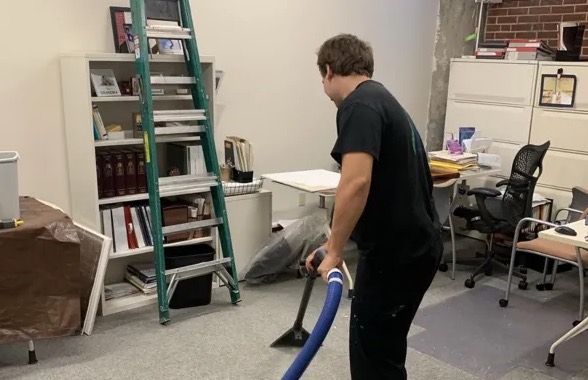
Professional Historic Building Restoration in Missouri City, TX
Antique building renovation in Missouri City is not merely about repair but about respecting the original intent and design of the architects and builders.
In Missouri City and nearby Stafford, First Colony and Riverstone, old buildings may need urgent stabilization after water gets in. Call (281) 688-9975 to request help for a single room or a whole building.
Historic Building Restoration Services in Missouri City
Historic Roof Restoration
Historic roof restoration preserves original materials like slate, clay tile, or wood shingles. Local historic building experts perform careful repairs, replace individual damaged units with matched materials, and address underlying deck issues. This maintains the roof's historic profile and protects the structure.
Historic Structural Stabilization
Historic structural stabilization addresses settling, rot, or insect damage that compromises a building's frame. Local historic building experts use minimally invasive methods like sistering joists or installing hidden steel supports to reinforce the structure without altering its historic appearance or fabric.
Historic Masonry Tuckpointing
The experts perform careful historic masonry tuckpointing, removing deteriorated mortar and replacing it with a compatible lime-based mix. This stops water and decay in older buildings in Fort Bend County.
Historic Wood Window Restoration
Stuck or drafty historic windows can be rehabilitated to extend their life. Experts strip old paint, repair wood with epoxy consolidants or dutchman repairs, and re-apply historically accurate finishes.
Historic Masonry Restoration
Failing mortar joints compromise a historic building's envelope. Old mortar is removed carefully so the original bricks are not damaged.
When to Consider Historic Building Restoration for Your Property
Damaged Historic Flooring
Original wood, tile, or stone floors are uneven, squeaky, or have broken pieces. It is a key part of preservation.
Inappropriate Modern Materials
Previous repairs used modern materials like vinyl windows or cement that harm the building's character. This requires period-appropriate replication.
Structural Shifts or Settling
Doors and windows that no longer close or new cracks in walls can mean the old structure is shifting and needs stabilization.
Crumbling Historic Masonry
Mortar joints are turning to powder or bricks are loose and falling. It is a serious sign the property needs attention.
How Historic Building Restoration Works in Missouri City
Step 1: Architectural History Consultation
Understanding the building's period and style is the first step. This guides all decisions in the period home restoration process.
Step 2: Targeted Stabilization of Original Fabric
Unstable original materials are stabilized using reversible, conservation-grade methods. This is the core of old building restoration work.
Step 3: Craft-Based Repair and Replacement
Skilled craftspeople repair wood windows and plaster using original techniques and matching materials.
Step 4: Final Protective Treatment and Handoff
After repairs, protective treatments are applied, and the restored historic structure rehabilitation project is returned to the owner.
Typical Threats to Historic Properties
Inappropriate Modern Heating and Cooling
Forced air systems cause drastic humidity swings that crack historic plaster and cause wood to shrink or swell.
Foundation Settlement and Movement
Ground shifts over centuries cause cracks and misalignments that threaten the stability of your historic structure rehabilitation.
Environmental Exposure and Pollution
Sun, wind, rain, and airborne pollutants slowly erode exterior surfaces, demanding consistent historic property preservation efforts.
Lack of Regular Historic Maintenance
Deferred care allows minor issues to become major problems, complicating any future historic building repair efforts.
Adapting Historic Building Restoration for Residential and Commercial Needs
Residential Historic Building Restoration
Your antique building renovation requires methods that differ from new construction. The experts specialize in historic paint analysis and restoration and historic structural stabilization to safeguard your investment and the home's historical narrative.
Commercial Historic Building Restoration
Commercial preservation by the experts keep historic buildings in use. Key services like historic facade restoration and period-appropriate replication protect architectural significance while supporting the property's commercial purpose. These projects often need detailed records for insurance and historic compliance.
Professional Historic Building Restoration Over DIY Repairs
As an owner, you can advocate for your building by learning local preservation ordinances. Gently clean historic flooring with appropriate, pH-neutral cleaners to avoid damage. For masonry work or removing poor modern repairs, call the experts.
Budgeting for Historic Building Restoration in Missouri City
The investment for historic structure rehabilitation near Missouri City is determined by the scale of necessary interventions. The experts assess masonry, roofing, and structural systems to outline costs.
Emergency Stabilization Needs
Urgent historic building repair to prevent further collapse requires immediate resource allocation. Urgent repairs can cost more because materials and labor are rushed.
Project Scale
A full historic interior restoration versus a focused facade repair changes the investment. The square footage and number of architectural features involved set the baseline.
Structural Assessment Scope
The depth of analysis needed for historic structural stabilization dictates initial costs. Foundations and framing are evaluated first.
Does Insurance Cover Historic Building Restoration?
For historic structure rehabilitation, insurance involvement is determined by the carrier and the peril involved. The decision to cover antique building renovation costs rests solely with the insurer. Ask your insurer about policy limits.
Benefits of Local Experts for Historic Building Restoration
Documentation for Claims
Thorough photo and written documentation is provided for your insurance review process. This creates a clear record of pre-restoration conditions and necessary work.
IICRC-Standard Methods
The specialists employ industry-standard protocols for sensitive historic material treatment. This keeps methods from harming original materials.
Architectural Sensitivity
Every intervention for historic building repair is planned to respect original design intent. The goal is preservation, not modernization, of character-defining features.
Urgent Historic Building Restoration Response for Missouri City
Urgent problems with historic facades or interiors can worsen rapidly without professional intervention. For assistance from the experts specializing in emergency historic building repair, dial (281) 688-9975.
Call Now (281) 688-9975Historic Building Restoration Coverage in and Around Missouri City
Protecting historic properties in and around Missouri City requires specialized knowledge. The experts handle historic property preservation.
Frequently Asked Historic Building Restoration Questions
Why choose specialized historic building experts for a vintage building repair?
Specialized pros understand the value of original fabric and use gentle, proven methods. They avoid techniques that could accidentally damage irreplaceable historic materials during repairs.
What is involved in historic masonry restoration?
Historic masonry restoration involves repointing mortar joints with period-appropriate mixes, cleaning bricks or stone using gentle methods, and repairing or replacing damaged units to match the original.
Why is historic plaster repair different from modern drywall?
Historic plaster is often lime-based on wood lath, requiring specific patching compounds and techniques. Modern gypsum products can cause compatibility issues, so traditional methods are used.
When is historic structural stabilization necessary?
Stabilization is needed when foundations settle, framing members degrade, or walls bulge, threatening the building's integrity. It addresses the root cause of movement to prevent further damage.
Does historic flooring restoration involve refinishing or replacement?
Restoration prefers careful refinishing of original wide-plank or parquet floors. Replacement of individual boards with matching old-growth wood is done only where absolutely necessary.