Grand Lakes, TX · Fort Bend County
AC Unit Water Removal in Grand Lakes, TXEmergency AC Water Removal & AC Condensate Drain Clearing
AC Unit Water Removal in Grand Lakes runs from emergency AC water removal and AC leak water cleanup to air conditioner restoration services.
Answered 24/7
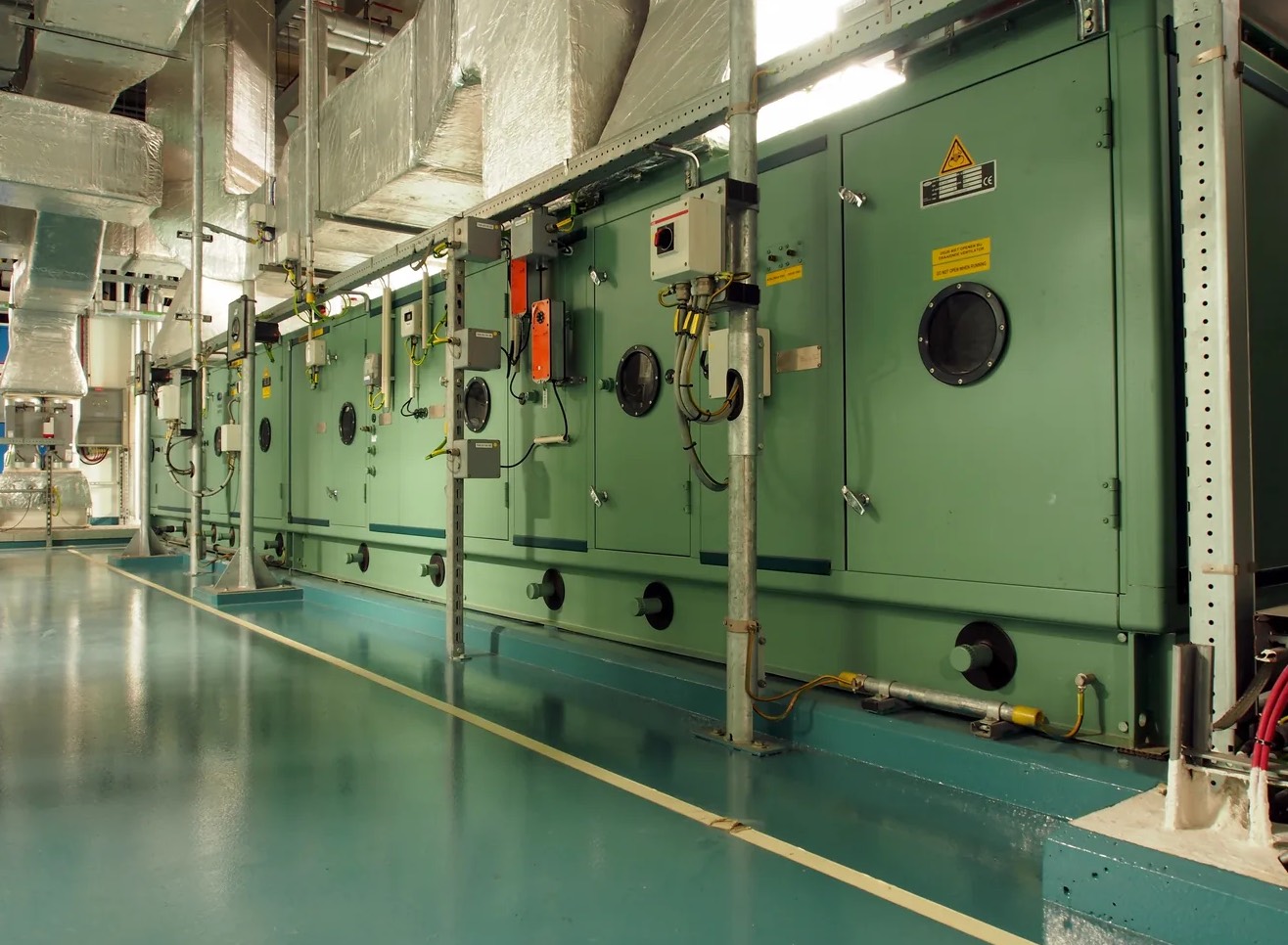
Professional AC Unit Water Removal in Grand Lakes, TX
AC Unit Water Removal in Grand Lakes deals with leaks from air handlers, condensate lines and drain pans. Acting early keeps a minor drip from soaking the insulation, the wall framing and the ceiling directly below the unit.
A leaking AC in Grand Lakes rarely fixes itself, and the water keeps soaking the same drywall and subfloor until the drain is cleared. Local water damage pros serve Grand Lakes and nearby Seven Meadows, Cinco Ranch and Falcon Ranch, with help available around the clock for leaks of any size.
Complete AC Unit Water Removal and Repair in Grand Lakes
Emergency AC Water Removal
A sudden AC flood can soak a ceiling or floor in hours. Emergency removal gets the water out before it spreads into framing and insulation.
AC Condensate Drain Clearing
The PVC drain line is cleared with suction or a flush, and the trap is checked so water stops backing up into the pan.
AC Leak Water Extraction
Water is removed from every wet surface the leak reached, including closets and rooms below an attic air handler.
AC Leak Water Cleanup
Standing water around the indoor unit is pumped and vacuumed up first, before it wicks into drywall, baseboards or the subfloor.
Wet AC Unit Component Drying
Wet blower motors, panels and wiring are dried with gentle airflow and dehumidifiers rather than direct heat, which lowers the risk of corrosion and shorts.
How to Know You Need AC Unit Water Removal in Grand Lakes
Condensation Line Dripping
A condensate line that drips inside instead of outside has a crack, loose fitting or clog.
Unusual AC System Noises
Gurgling or dripping sounds from the unit can mean water is backing up in the drain line.
AC Drain Pan Overflow
Water at the rim of the drain pan, or in the secondary pan, means the condensate line is blocked.
Musty Odors From Vents
A musty smell when the AC starts often means standing water in the pan or wet insulation in the ducts.
How AC Unit Water Removal Works in Grand Lakes
Step 1: AC Unit Flood Cleanup
Water is extracted to help limit further soaking of insulation, framing and the ceiling below.
Step 2: Drain Line Diagnosis and Clearing
The drain line is inspected for clogs, sags or loose fittings and cleared so water drains outside.
Step 3: Structural and Unit Drying
Air movers and dehumidifiers run around the unit, with daily moisture checks on walls and floors.
Step 4: System Check and Cleanup
The pan is cleaned, the drain is tested with water and the area is left dry.
Common Causes of AC Unit Water Damage in Grand Lakes
Improper AC Unit Installation
A unit that is not level, or a drain line without enough slope, lets water pool instead of draining.
Failed Condensate Pump
Units that pump condensate uphill depend on a small pump. When it fails, the reservoir overflows.
Clogged AC Condensation Line
Algae and sludge build up in the drain line over a cooling season until water backs up into the pan.
High Static Pressure in Ducts
Restricted ducts can pull water off the coil and blow it into the cabinet or ductwork.
Both Residential & Commercial AC Unit Water Removal in Grand Lakes
Residential AC Unit Water Removal
For homeowners, the main risk is water soaking into insulation and drywall where no one sees it. Moisture meters find that hidden water so it can be dried before it causes rot.
Commercial AC Unit Water Removal
For property managers, one leaking unit can affect several suites or the floor below. Each wet area is extracted, dried and documented for the owner and insurer.
Why DIY AC Water Removal Often Fails in Grand Lakes
A wet vac on the condensate line outlet clears many simple clogs. If the ceiling below an attic unit is stained or sagging, stay out from under it and call (281) 688-9975 instead of poking holes in it.
Estimating Your AC Unit Water Removal Cost in Grand Lakes
Drying equipment is usually billed by the day, so how long materials stay wet matters. Starting quickly in Grand Lakes shortens drying time and lowers the total.
Documentation Needs
Detailed photos and moisture logs for an insurance claim add some time to the job.
Emergency Service Timing
After-hours and holiday response can cost more than a scheduled weekday visit.
Affected Component Count
The more of the system that got wet, such as the blower, panels and insulation, the more drying time is needed.
Does Insurance Cover AC Unit Water Removal?
Ask your adjuster whether clearing the condensate line is covered or treated as routine maintenance, since policies differ. The water damage to ceilings, walls and floors is often handled separately from the unit.
The Value of Local Pros for AC Unit Water Removal in Grand Lakes
Detailed Moisture Documentation
Photos and moisture readings are recorded at each visit to support your insurance claim.
Drain Pan Extraction
Both the main pan and the safety pan are emptied and checked for damage.
Clear Process Communication
Each step is explained before work starts, so you know what is being removed and why.
Emergency AC Unit Water Removal Available 24/7 in Grand Lakes
If water is near wiring or the breaker keeps tripping, turn off power to the unit and stay clear of the wet area. Then call (281) 688-9975 for help in Grand Lakes.
Call Now (281) 688-9975AC Unit Water Removal Throughout Grand Lakes and Beyond
The places below are also served, and each one has its own page.
Frequently Asked Questions About AC Unit Water Removal in Grand Lakes
Is air conditioner restoration separate from water removal?
Yes. Water removal and drying come first. Restoration covers repairs afterward, such as replacing drywall or ceiling panels.
Can a wet AC unit be saved after a leak?
Often yes. Components are dried gently and checked, but an HVAC contractor should inspect electrical parts before the unit runs again.
What happens if I ignore a drain pan overflow?
The leak keeps wetting the same materials, which can lead to rot, ceiling damage and microbial growth.
Why does the drain pan need to be emptied?
A full pan overflows into ceilings and floors. Emptying and inspecting it stops the spill and shows whether the pan is cracked.
Does homeowners insurance cover water damage from an HVAC unit?
Sudden leaks are often covered, but slow leaks and the unit itself usually are not. Check your policy.