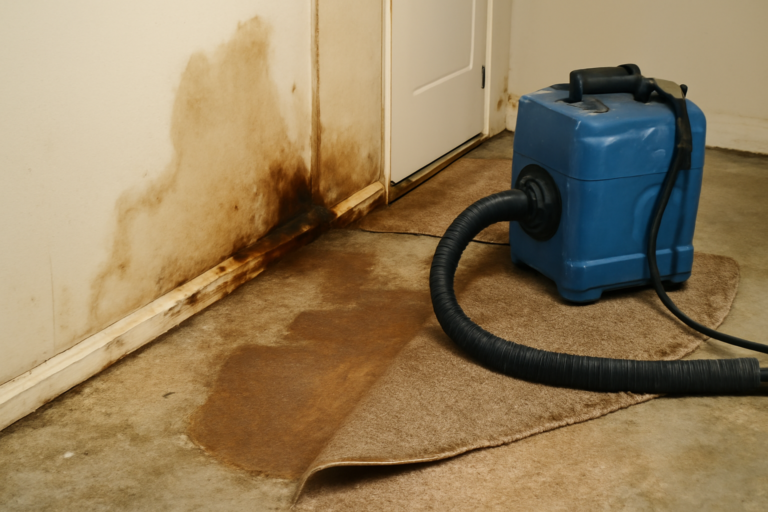
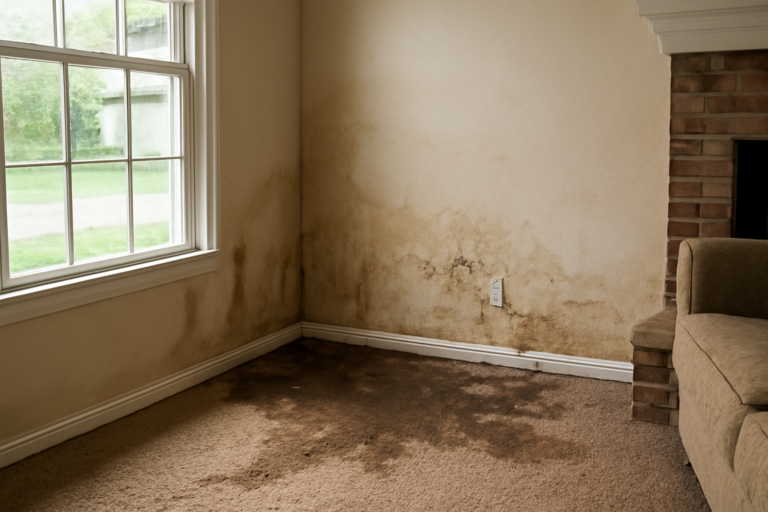
Trusted by 150+ Homeowners
Septic Tank Backup Water Removal in Dayton, TX
- Over 152 5-Star Reviews
- Free Estimates and Quotes
- 100% Satisfaction Guaranteed
- Child, Family & Pet Safe Steps
- 24-Hour Emergency Service
- Fully Licensed & Insured
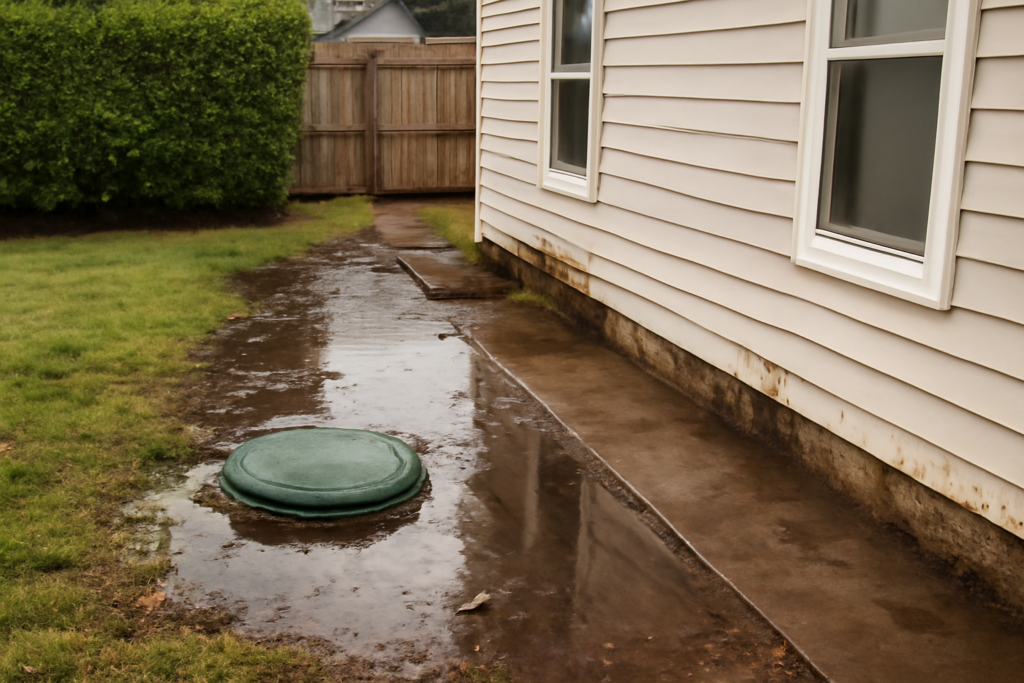
Don’t Let Septic Tank Backup Water Destroy Your Home
Septic tank backup water can be a nightmare, especially if you’re not prepared. You’re likely feeling stressed and unsure of what to do next. Our team has seen it before, and we’re here to guide you through the process. Septic tank backup water can cause serious damage to your property, including structural issues, electrical problems, and even health hazards. Don’t wait until it’s too late, address the issue quickly to avoid costly repairs and potential safety risks.
Our team has helped over 165 homeowners in the area recover from septic tank backup water damage. We understand the importance of rapid response times, and that’s why we’re available 24/7 to help you. You can trust us to provide top-notch service and restore your home to its original condition.
- Expertise in septic tank backup water removal and restoration.
- Fast response times to reduce damage and prevent further issues.
- Advanced equipment for efficient and effective cleanup.
How Our Team Handles Septic Tank Backup Water Removal
Our process is designed to be efficient, effective, and minimally invasive. We understand that every minute counts when dealing with septic tank backup water, and that’s why we work quickly to assess the damage and develop a plan. Our technicians use state-of-the-art equipment, including water extraction machines and dehumidifiers, to remove standing water and dry out the affected area.
Step 1: Assessment and Planning
We’ll arrive at your property within 60 minutes to assess the damage and develop a plan. Our team will identify the source of the backup and find out the best course of action to restore your home. This step is critical in preventing further damage and ensuring a successful restoration.
Step 2: Water Extraction
Our technicians will use powerful water extraction machines to remove standing water from your property. This step is crucial in preventing further damage and reducing the risk of mold growth.
Step 3: Drying and Dehumidification
We’ll use advanced dehumidifiers to dry out the affected area, including walls, floors, and ceilings. This step is essential in preventing mold growth and ensuring a safe living environment.
Step 4: Cleaning and Sanitizing
Our team will thoroughly clean and sanitize the affected area, including any surfaces, furniture, and belongings. This step is critical in preventing the spread of bacteria and other microorganisms.
Step 5: Restoration and Repair
Once the affected area is dry and clean, our team will begin the restoration and repair process. This may include repairs to structural elements, replacement of damaged materials, and refinishing of surfaces.
Don’t wait any longer to address the issue. Our team is ready to help you recover from septic tank backup water damage. Call us now to schedule an appointment and take the first step towards restoring your home.

Warning Signs You Need Septic Tank Backup Water Removal
Catching these signs early can save you money and prevent bigger problems. Don’t ignore the following warning signs, as they can show a more serious issue:
Musty Odors That Won’t Go Away
If you notice a persistent musty smell in your home, it may be a sign of septic tank backup water. Don’t ignore this warning sign, as it can lead to serious health hazards and structural damage.
Water Stains on Walls and Ceilings
Water stains on walls and ceilings can be a sign of septic tank backup water. Don’t delay in addressing this issue, as it can lead to costly repairs and potential safety risks.
Soggy or Soft Floors
If your floors feel soggy or soft, it may be a sign of septic tank backup water. Don’t walk on the affected area, as it can cause further damage and create a slipping hazard.
Electrical Issues
Electrical issues, such as flickering lights or blown fuses, can be a sign of septic tank backup water. Don’t ignore this warning sign, as it can lead to serious safety risks and costly repairs.
Health Hazards
Septic tank backup water can pose serious health hazards, including the spread of bacteria and other microorganisms. Don’t ignore this warning sign, as it can lead to serious health risks and even illness.
Septic Tank Backup Water Removal vs. DIY: When to Call a Professional
| Situation | DIY? | Call a Pro? | Why |
|---|---|---|---|
| Standing water covers less than 10 square feet | Yes | No | DIY water extraction is feasible for small areas. |
| Septic tank backup water causes structural damage | No | Yes | Professional help is necessary to prevent further damage and ensure a safe living environment. |
| Water stains on walls and ceilings | No | Yes | Professional help is necessary to prevent further damage and ensure a safe living environment. |
| Electrical issues | No | Yes | Professional help is necessary to prevent serious safety risks and costly repairs. |
| Health hazards, such as mold growth | No | Yes | Professional help is necessary to prevent serious health risks and ensure a safe living environment. |
| Large areas affected, or water damage is widespread | No | Yes | Professional help is necessary to prevent further damage and ensure a safe living environment. |
Don’t take unnecessary risks when dealing with septic tank backup water. Call a professional to ensure a safe and successful restoration. Our team is ready to help you recover from septic tank backup water damage.
Septic Tank Backup Water Removal Cost in Dayton, TX
The cost of septic tank backup water removal can vary based on the severity of the damage, the size of the affected area, and local conditions in Dayton, TX. These are estimates, not guarantees, and exact pricing depends on an on-site assessment. We offer free estimates to ensure you understand the cost before we begin the restoration process.
| Service | Typical Price Range | What Affects Cost |
|---|---|---|
| Water extraction | $500 – $2,500 | Size of affected area and severity of damage. |
| Drying and dehumidification | $1,000 – $5,000 | Size of affected area and severity of damage. |
| Cleaning and sanitizing | $500 – $2,000 | Size of affected area and severity of damage. |
| Restoration and repair | $2,000 – $10,000 | Size of affected area and severity of damage. |
| Equipment rental and labor | $1,000 – $5,000 | Size of affected area and severity of damage. |
| Permits and inspections | $500 – $2,000 | Local regulations and permits required. |
Exact pricing depends on an on-site assessment. We offer free estimates to ensure you understand the cost before we begin the restoration process.
Service Areas Near Dayton, TX
We serve the following nearby communities: Dayton, TX, Liberty, TX, Dayton Lakes, TX, Waller, TX, Hockley, TX, Alvin, TX, Pearland, TX, Friendswood, TX, League City, TX, Clear Creek, TX, Webster, TX, Seabrook, TX, Kemah, TX, La Marque, TX, Dickinson, TX, Santa Fe, TX, Texas City, TX.
Common Questions About Septic Tank Backup Water Removal
Q: What causes septic tank backup water?
A: Septic tank backup water is usually caused by a clogged or blocked septic system, which can be due to a variety of factors, including tree roots, grease buildup, or excessive water usage. Our team can help you identify the source of the issue and provide a solution.
Q: Is septic tank backup water removal covered by insurance?
A: It depends on your insurance policy. Some policies cover septic tank backup water damage, while others may not. We recommend checking your policy to see if you’re covered. Our team can help you navigate the insurance process and ensure you receive the compensation you deserve.
Q: How long does septic tank backup water removal take?
A: The length of time it takes to remove septic tank backup water depends on the severity of the damage and the size of the affected area. Our team works quickly to assess the damage and develop a plan, and we’ll keep you informed throughout the process.
Q: Can I prevent septic tank backup water?
A: Yes, there are steps you can take to prevent septic tank backup water, including regular maintenance, proper water usage, and avoiding grease and other substances that can clog your septic system. Our team can provide you with guidance on how to maintain your septic system and prevent future issues.
Check Our Other Relevant Services
Serving Dayton, TX And Nearby Areas